Amazon Associates is the default starting point for almost every new affiliate marketer. It offers instant trust, high conversion rates, and an inventory that covers nearly every physical product in existence.
But that dominance often blinds bloggers to alternative platforms that require less traffic and offer better tools for content creators.
Benable is one of those platforms. It operates as a visual recommendation engine that automatically monetizes links from over 35,000 brand partners. Instead of generating individual affiliate links and hoping people click them in your articles, you build curated lists and Benable handles the attribution.
Is it actually better than Amazon Associates? The answer depends entirely on your traffic volume and your content format.
Here is a data-driven breakdown of how the two platforms compare on commission rates, cookie durations, payout thresholds, and the actual effort required to start earning.
High-Level Comparison Data
Before we look at the specific differences, here is how the core metrics of both programs stack up against each other.
| Metric | Amazon Associates | Benable |
|---|---|---|
| Commission Rates | 1% to 10% (rigid categories) | Varies wildly by brand partner |
| Cookie Duration | 24 hours (90 days if in cart) | Varies by retailer (often 7 to 30 days) |
| Payout Minimum | $10 (Gift Card), $100 (Bank) | $80 (PayPal) |
| Traffic Requirement | 3 sales in first 180 days | Zero (Invite only to join) |
| Setup Effort per Link | Low (copy and paste) | Low (paste a URL to create a visual card) |
| Built-in Audience | None | Yes (discoverable within the app) |
The Commission Rate Reality
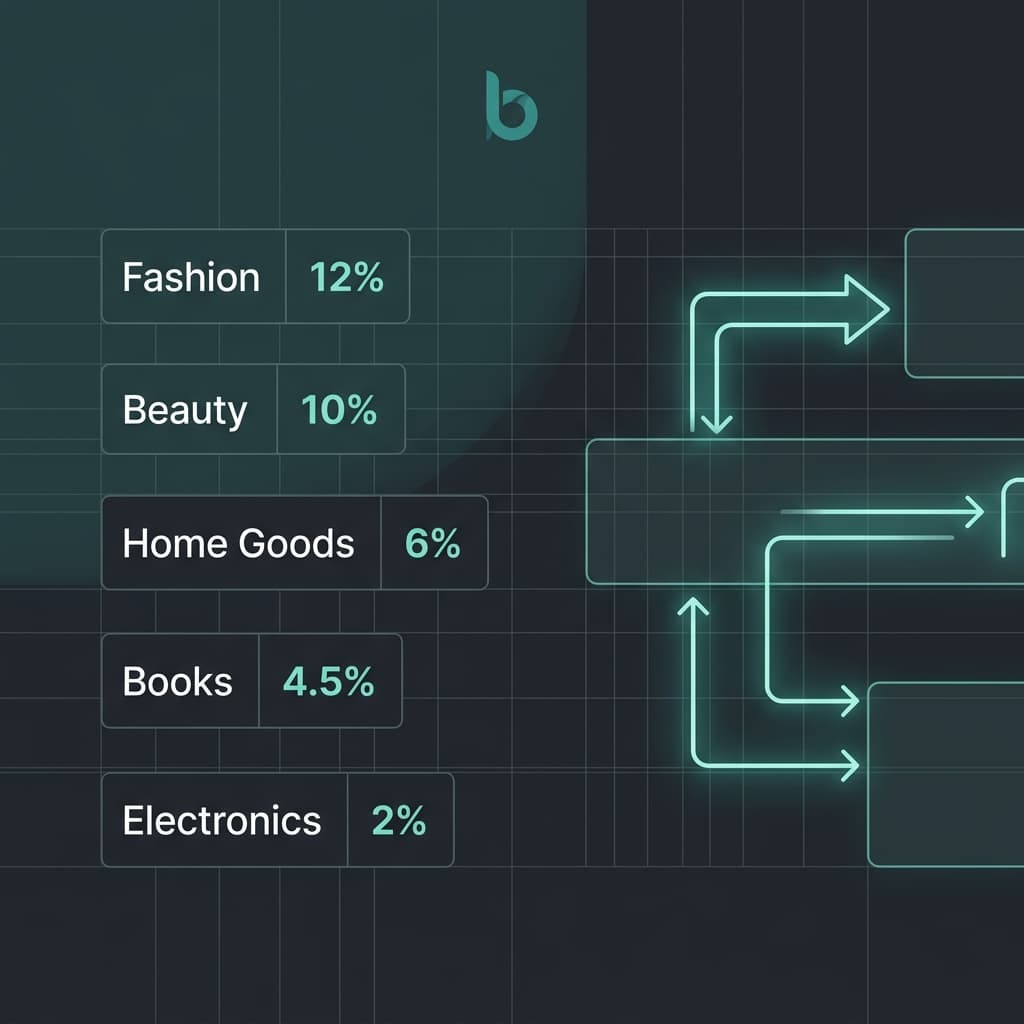
Amazon Associates has strictly defined commission categories. If you recommend a physical book, you earn 4.5%. If you recommend a television, you earn 2%. There is no negotiation and no variance.
Benable does not set the commission rates. It acts as an aggregator for tens of thousands of affiliate programs run through networks like Impact, ShareASale, and CJ Affiliate. When you paste a product link into a Benable list, Benable automatically routes that link through the highest-paying affiliate network it holds a partnership with for that specific retailer.
This means your commissions on Benable are simply the standard commissions offered by the brands themselves.
If you recommend a product from Sephora on Benable, you earn whatever Sephora's current affiliate rate is. If you recommend a book from Barnes & Noble, you earn their standard affiliate rate.
The difference in earnings essentially comes down to where you choose to route your traffic. If a product is available on Amazon and also directly from the manufacturer, sending traffic to Benable (which links to the manufacturer) will often result in a higher percentage commission than sending that same traffic to Amazon.
The Cookie Duration Gap
Cookie duration determines how long you have to earn a commission after someone clicks your link.
Amazon Associates offers a notoriously short 24-hour cookie. If a reader clicks your link on Monday but waits until Wednesday to buy, you earn nothing. The only exception is if they add the item to their cart within the first 24 hours. In that scenario, the cookie extends to 90 days.
Benable's cookie duration depends on the retailer. Because Benable routes traffic through standard affiliate networks, the cookie duration is whatever that specific retailer has negotiated with their network.
Most retail affiliate programs offer cookie durations of 7, 14, or 30 days.
This is a massive advantage for Benable when recommending higher-priced items. When a product requires research or budgeting, buyers rarely purchase within 24 hours. A 30-day cookie window captures significantly more conversions on expensive items than a 24-hour window.
The Traffic Requirement and Audience Discovery
Amazon shuts down your Associates account if you do not generate three qualifying sales within your first 180 days. For brand new bloggers without an existing audience, hitting this threshold can be stressful. You are entirely responsible for driving your own traffic through SEO or social media.
Benable has no minimum sales requirement to keep your account open.
More importantly, Benable functions as a social discovery platform. Users browse Benable to find recommendations. Your lists are public and searchable within the Benable ecosystem.
If you build an excellent, well-organized list of "Must-Have Remote Work Tech", that list can be discovered by other Benable users who never visited your blog. You can earn commissions from internal Benable traffic. Amazon Associates offers nothing comparable.
The Payout Threshold
You need cash in your bank account, not points on a dashboard.
Amazon Associates pays out via direct deposit once your balance reaches $100. They also offer payment via Amazon Gift Card with a much lower $10 threshold, which is convenient if you regularly shop on Amazon anyway.
Benable has a strict $80 minimum payout threshold, and they pay via PayPal.
This is Benable's biggest drawback for beginners. If you are generating small commissions, it can take months to cross the $80 line to actually see that money. I wrote a dedicated guide on everything you need to know about the $80 Benable payout threshold because it is a common point of frustration for new users.
Which Platform Should You Prioritize?
You do not have to choose just one. The smartest strategy is to use both, but deploy them where they have the strongest advantages.
Use Amazon Associates when:
- The item is relatively inexpensive and likely an impulse purchase
- You trust that Amazon's high conversion rate will offset the lower commission percentage
- You are reviewing products that are only easily available on Amazon
Use Benable when:
- You are recommending higher-priced items where a longer cookie duration matters
- You want to curate collections of items rather than writing a full blog post for each one
- You are writing about brands that offer much higher direct affiliate commissions than Amazon does
- You do not yet have the blog traffic required to meet Amazon's 180-day sales quota
For a deeper look at evaluating cookie windows, read my comparison of 15 popular affiliate programs and their cookie durations. If you are new to the monetization side of blogging, you should also read my guide on how the mechanics of affiliate marketing actually work.
Other Sites Like Benable for Commissions
If you are comparing options before committing to Benable, here are the most legitimate alternatives worth knowing about:
LTK (LikeToKnow.it): A curated shopping platform popular in the fashion, beauty, and home decor space. Like Benable, you build shoppable collections and earn commissions when followers buy through your links. LTK skews toward creators with an existing Instagram or TikTok presence, and its $100 payout minimum is slightly higher than Benable's. It is better suited to lifestyle niches than general product recommendations.
Amazon Idea Lists: Amazon's native version of curated product lists. You can create public lists on your Amazon profile and share them with affiliate links embedded. The advantage is Amazon's built-in trust and conversion rates. The disadvantage is the same one Amazon Associates always has: a 24-hour cookie window and commission rates that cap out lower than many direct brand programs.
Newsette / Newsletter-Based Affiliate Networks: Some niche affiliate networks operate through email newsletters and content-first models rather than social platforms. These tend to require an existing subscriber base but offer higher commission rates for specific verticals like finance, beauty, and tech. If you already have an email list, these networks can outperform both Benable and Amazon on a per-click basis.
For most beginners without an existing audience, Benable remains the lowest-friction entry point because it requires no follower count, no blog, and no individual affiliate program applications.