
You do not need money to start affiliate marketing. You need time and a willingness to learn by doing.
This is the actual path. No courses, no paid tools, no "invest in yourself" detour.
Step 1: Pick One Niche You Already Know
The biggest mistake beginners make is picking a niche based on commission rates instead of knowledge. High-commission niches like weight loss and finance are saturated. They are hard to break into when you have no track record.
Pick something you already know. That could be:
- A hobby you have had for years
- A career skill (coding, design, accounting)
- Something you recently learned and documented along the way
The narrower, the better. "Personal finance" is too broad. "Personal finance for freelancers in West Africa" is specific enough to own.
Step 2: Choose a Free Platform to Publish On
You have three realistic free options:
Medium. You can write and publish immediately. Medium has an internal search function and recommends articles to readers. If your content is good, it finds an audience on its own. Medium Partner Program pays for reads, which is a bonus.
Benable. You build product lists without needing any written content. Good for product-heavy niches like tech gear, books, or home office setups. See what Benable is and how it works.
Reddit. Subreddits are full of people asking questions in your niche. If you genuinely answer them with detail and occasionally link to products you recommend, you earn trust fast. This requires patience and the ability to add real value before promoting anything.
Do not try to use all three. Pick one and get good at it first.
Step 3: Join Free Affiliate Programs
These are the best affiliate programs that cost nothing to join and have no traffic requirements:
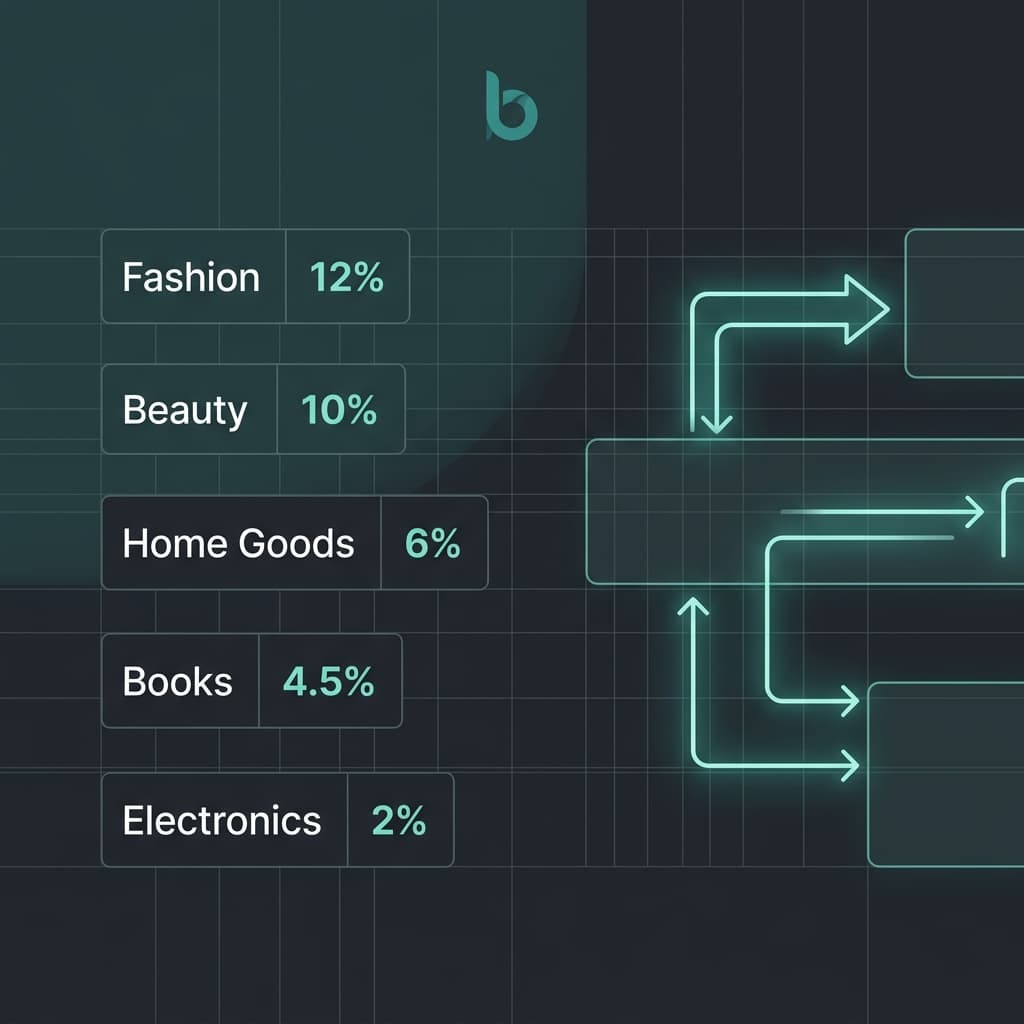
Amazon Associates. Covers almost every product category. Commission rates are low (1 to 10 percent) but conversion rates are high because everyone trusts Amazon. Note: you need 3 qualifying sales within 180 days or they close your account.
ShareASale. Free to join. Hosts thousands of merchants. Good for niches like software, fashion, home, and outdoor gear.
Impact. Similar to ShareASale. Better for software and SaaS products, which pay higher commissions (sometimes 20 to 30 percent recurring).
Direct programs. Many companies run their own affiliate programs that are not on any network. Check the footer of any website you want to promote and look for "Affiliates" or "Partner Program."
Step 4: Create Content That Solves One Specific Problem
Every piece of content should answer one question that your target reader types into Google or Reddit.
Not: "Best headphones" (too broad, too competitive)
Instead: "Best headphones for Zoom calls under $100" (specific, answerable, low competition)
The format that converts best is the comparison or recommendation article. You compare three to five products, explain exactly who each one is for, and link to all of them through your affiliate links.
Do not write a wall of text. Use short paragraphs. Get to the recommendation fast. Readers are there for the answer, not the backstory.
Step 5: Disclose Your Affiliate Relationships
This is not optional. The FTC requires you to disclose any time you are paid or may be paid for a recommendation. Put a clear disclosure at the top of every piece of content that contains affiliate links.
A single sentence works: "This article contains affiliate links. If you buy through them, I earn a small commission at no extra cost to you."
Failing to disclose damages trust and can get your affiliate accounts suspended.
What the First 90 Days Actually Looks Like
Here is the honest picture based on starting from zero with no budget:
Month 1: Set up your profile or publication. Write 4 to 6 pieces of content. Earn $0. Learn how the platforms work.
Month 2: Your early content starts getting indexed or recommended. Traffic trickles in. You might earn your first $2 to $10.
Month 3: If you focused on specific questions with real answers, you start seeing consistent clicks. First month breakeven is rare. More realistic is $20 to $80 if you worked consistently.
None of those numbers are exciting. That is the honest version. The reason most people quit is they expect faster results than the timeline permits. The people who stay and keep publishing for 6 to 12 months are the ones who eventually build something that compounds.
The Tools You Need (All Free)
- Google Search Console: Free. Shows you what search queries bring people to your content.
- Google Analytics 4: Free. Shows you where traffic comes from and what people do when they land.
- Ubersuggest (free tier): Shows keyword volume and competition estimates.
- Canva (free tier): For building featured images or graphics if your platform needs them.
- Notion (free tier): For tracking which articles you have written, which keywords you are targeting, and which affiliate programs you are in.
That is the full toolkit. You do not need anything else to start.
The One Thing That Actually Determines Outcome
Consistency over the first six months.
Affiliate marketing is not a sprint. It is closer to gardening. You plant things, wait, and adjust based on what grows. The people who treat it like a sprint burn out after month two with nothing to show for it.
Publish consistently. Keep the content specific. Track what brings clicks. Double down on what works. Ignore what does not.
That is the entire strategy.
For a deeper look at how the money actually flows, read how affiliate marketing works.